Welcome to GO Ocean
Your weather forecast. The price of bread. A ship’s route at sea. All of it rests on a global ocean monitoring system that is absolutely critical, almost invisible — and dangerously underfunded.
Explore the case for greater investment, find your role, and use the materials freely.

About the campaign
Most of modern life runs on ocean data without anyone noticing. The seven-day forecast informing daily activities such as when to do your washing, container shipping routes influencing things like banana prices, storm warnings which can lead to delayed holiday plans and national climate models informing farmers about their crops and harvest schedules, all depend on a global system of buoys, floats, gliders, ships and satellites that watch the ocean.
That system is the Global Ocean Observing System (GOOS). The Intergovernmental Oceanographic Commission (IOC) of UNESCO estimates public investment at €1+ billion a year which only covers about 2/3 of the required system. A handful of countries pay most of this.
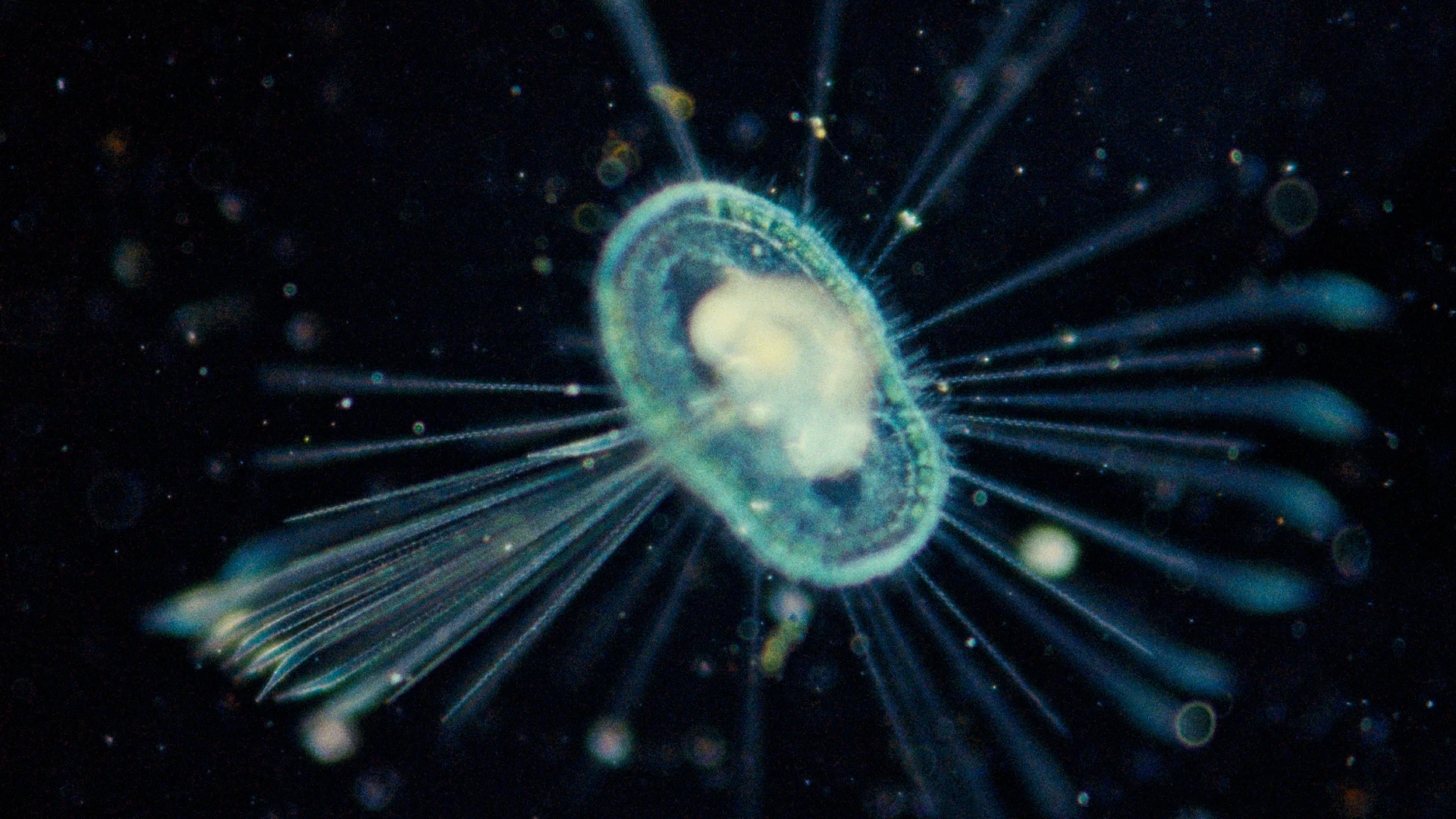
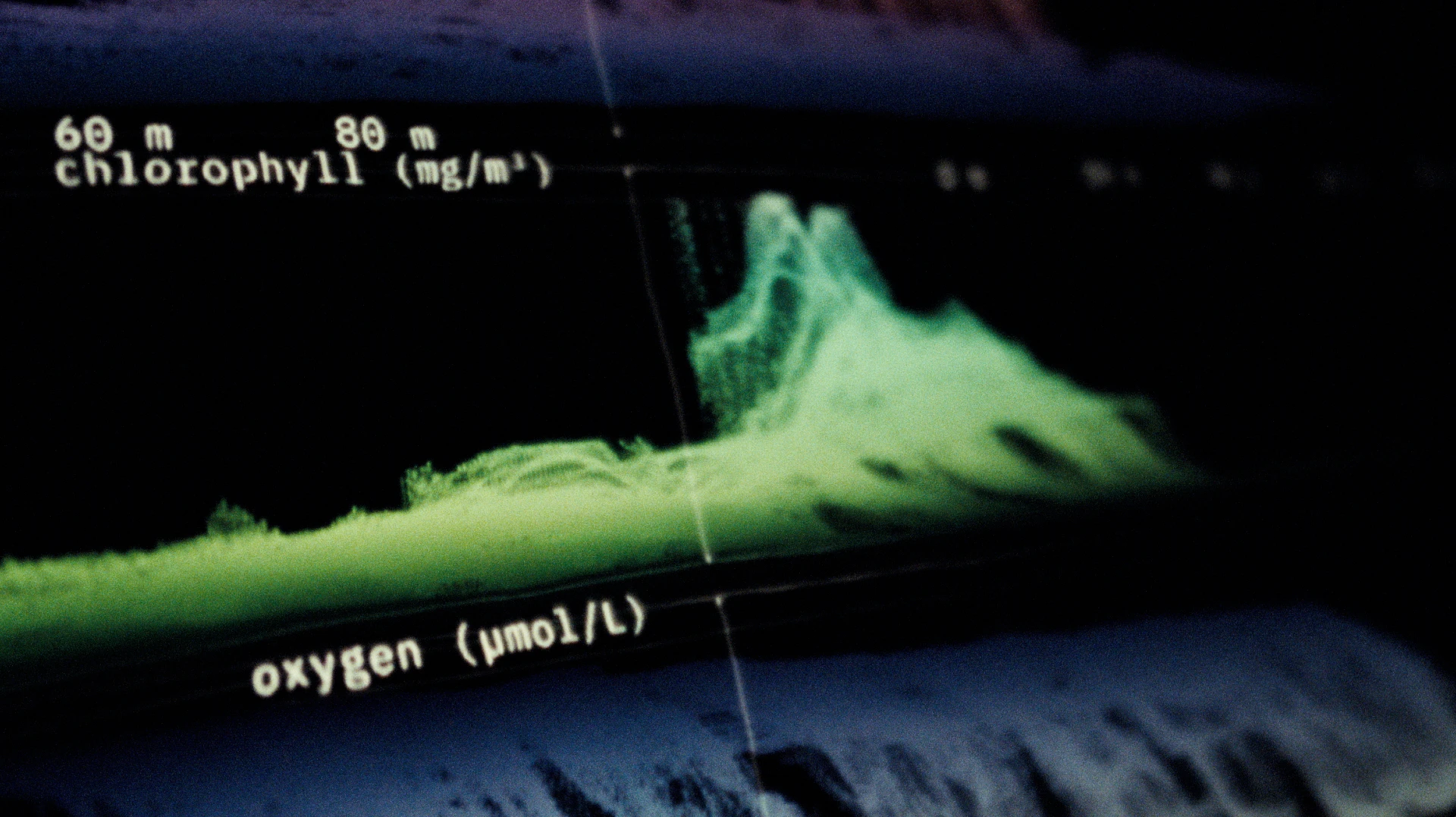
2026 is a mixed year for ocean observations. The current geopolitical situation has seen a reduction in focus on ocean observations as a way of protecting and supporting global society, putting the most vulnerable at even greater risk to natural disasters strengthened by a changing climate. Simultaneously, the European Commission adopted OceanEye, an EU and Canada initiative that names ocean observation as essential infrastructure and proposes an International Alliance to support GOOS.
GO Ocean is a sustained campaign by VOTO and GOOS (supported by IOC-UNESCO), with a steering group of international experts in science, observation, policy, industry and finance. By 2030 ocean observation should be understood, funded and used as the critical infrastructure it has become.
Who is involved and why

VOTO – Voice of the Ocean Foundation
Voice of the Ocean is a foundation dedicated to advancing ocean science and promoting ocean literacy. We combine scientific curiosity with the power of storytelling to spark interest, expand knowledge and inspire meaningful engagement with the ocean. We envision a world where the ocean is understood, respected and protected by all. We believe a deeper understanding of the ocean leads to stronger action to protect it. Voice of the Ocean is based in Sweden, with offices in Stockholm and Gothenburg. Our work is anchored in the Baltic Sea but the global ocean is one system, and we work to support ocean science and ocean literacy on a global scale.
GOOS – Global Ocean Observing System
The Global Ocean Observing System (GOOS) provides leadership and coordination for a global system of sustained ocean observations. It is led by the Intergovernmental Oceanographic Commission (IOC) of UNESCO, and co-sponsored by the World Meteorological Organization (WMO), UN Environment Programme (UNEP) and the International Science Council (ISC). GOOS is the foundation for data-driven solutions for weather and extreme event forecasting, climate adaptation, coastal and maritime risk responses, biodiversity stewardship, and sustainable ocean economies. Through a globally integrated infrastructure of ocean observing networks, national and regional observing initiatives, and with the guidance of its expert panels, GOOS ensures the delivery of essential ocean information that supports ecosystems, economies, and communities worldwide. GOOS is a co-sender of the campaign and the system the campaign exists to protect.