
The Invisibility Paradox
There is a strange feature of ocean observation. The better the system works, the more invisible it becomes. And that´s a threat.
Twenty years ago, the forecast was reliable for two or three days. Now we have reliable forecasts for weeks. How?
The improvement came from sustained, global, in-water measurements. Few people on a sunny Saturday know that thousands of floats, buoys and ships made it possible for them to plan to make the most of the weather, but that´s how it actually works. And it is not only benefitting you.
The same data quietly shapes decisions around the globe.
Ships use ocean data to find safer and more efficient routes. When currents, waves and storms are better understood, fuel can be saved and risks reduced.
Food prices are connected too. El Niño, driven by changes in Pacific Ocean temperatures, can affect harvests of bananas, coffee and cocoa. When crops do not suffer, prices won´t spike.
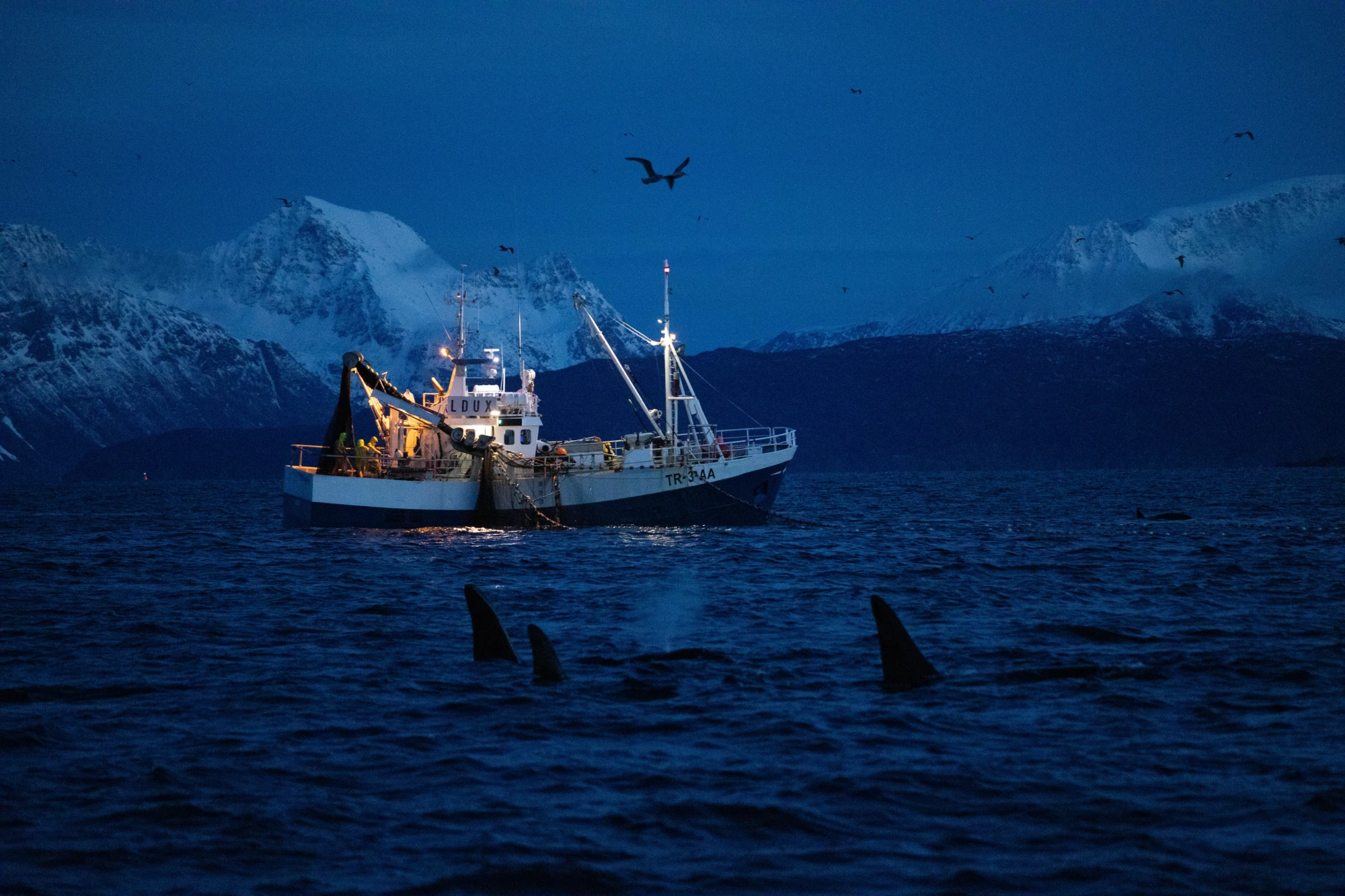
For fishing communities, the link can be even more immediate. Storm warnings rely on ocean data. Better measurements can mean more time to prepare, safer decisions at sea and fewer lives put at risk.
None of these users name ocean observation. They name the forecast, the model, the data feed, the insurance product, the warning. The system underneath does its job well enough that nothing in the chain has to mention it.
– This is the invisibility paradox. The success of the system is the reason it is not funded as the system it has become.
– And we need to do something about it. Now.
When the ocean loses memory
The danger begins quietly, he tells.
A buoy is not replaced. A deep-ocean mooring is removed. A glider mission is cancelled. A data series stops. A budget line disappears.
The public notices nothing. The forecast still appears on the phone. Ships still leave port. Insurance models still run. Governments still receive climate briefings.
Then, slowly, the system weakens.
«You cannot go back in time and measure the ocean as it was last year, or ten years ago. Once the record is broken, part of our understanding is gone.»
The forecast becomes less reliable. The storm track carries more uncertainty. A climate signal becomes harder to detect.
By the time the consequences are visible, the observing system that might have helped prevent them is already gone.
– Ocean observation works so well that people forget it exists. But when you remove pieces of the system, you reduce society’s ability to anticipate risk.
For scientists, forecasters and climate experts, the loss was more serious. Long-term ocean records are not easily rebuilt. Once a time series is broken, the gap remains. Once a deep-ocean station is gone, the missing data cannot be collected later.
– People often imagine that if we need the data again, we can simply restart the measurement.”
– But you cannot go back in time and measure the ocean as it was last year, or ten years ago. Once the record is broken, part of our understanding is gone.
For those who relied on it, the loss is cumulative and uncertain. As one researcher described it, scientific understanding is like a Jenga tower: we do not know which piece will prove critical until it is gone.
What governments fail to see
Commission adopted OceanEye and stated plainly that ocean observation is essential infrastructure. The difference between the two outcomes is not the science. It is whether the system has been made visible to the people who decide budgets.
The issue is not a single decision or a single country. It is structural. When ocean observation is not clearly defined as infrastructure, it is funded and debated as discretionary science.
When it is made visible as foundational, it is treated, and sustained, accordingly.
That paradox is visible in government budgets. A minister may depend on reliable weather forecasts, but still treat ocean observation as a science expense rather than infrastructure. A finance ministry may use climate risk models built on ocean temperature data, without seeing itself as a stakeholder in the system. A trade minister may deal with food-price shocks linked to El Niño, while having no role in the budgets that keep ocean observation alive.
– The system is used everywhere, but owned almost nowhere.
The same problem appears in public conversation.
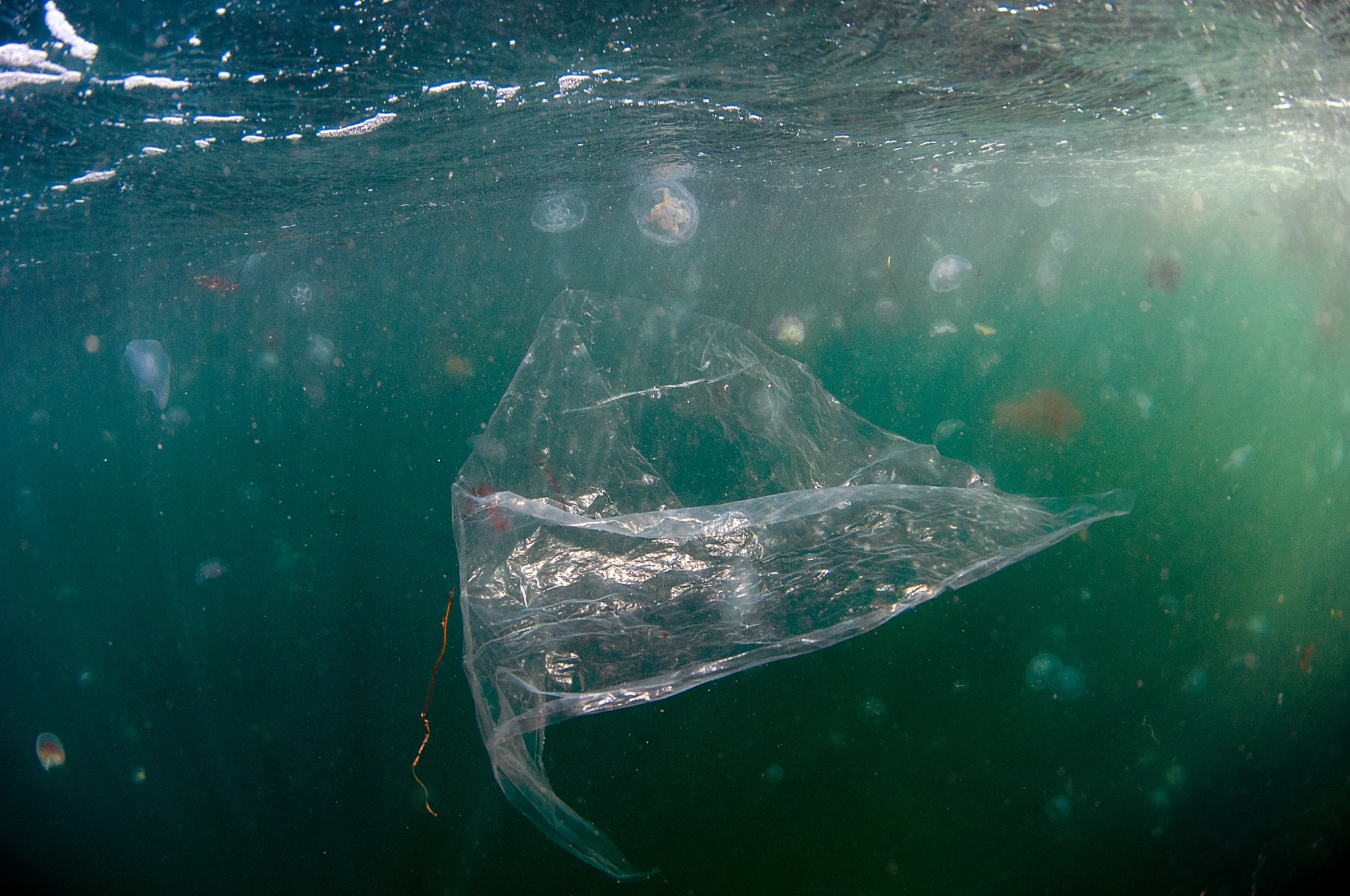
Ocean stories that travel tend to be about wildlife, plastic pollution, coral reefs or dramatic disasters. The observing system behind them rarely gets the same attention. It does not produce one powerful image. It produces something less visible, but far more important: reliable forecasts, accurate maps, earlier warnings and better decisions.
– That is why visibility matters.
– Until decision makers can name ocean observation, they cannot fund it, defend it or build policy around it.
GO Ocean starts there: by making the invisible system visible to the people and institutions that already depend on it.
The Ocean Needs Funding
Ocean observation is often framed as a technology challenge, but the real constraint is funding. Without long-term investment, instruments go silent.
Your Daily Life Depends on Ocean Data
Your daily life depends on ocean data, from weather apps to food prices. It is time to recognize and fund it as critical infrastructure.

The Ocean is Going Blind
Weather forecasts, storm warnings, food security and climate models all depend on ocean data. But the system that provides it is at risk of…